
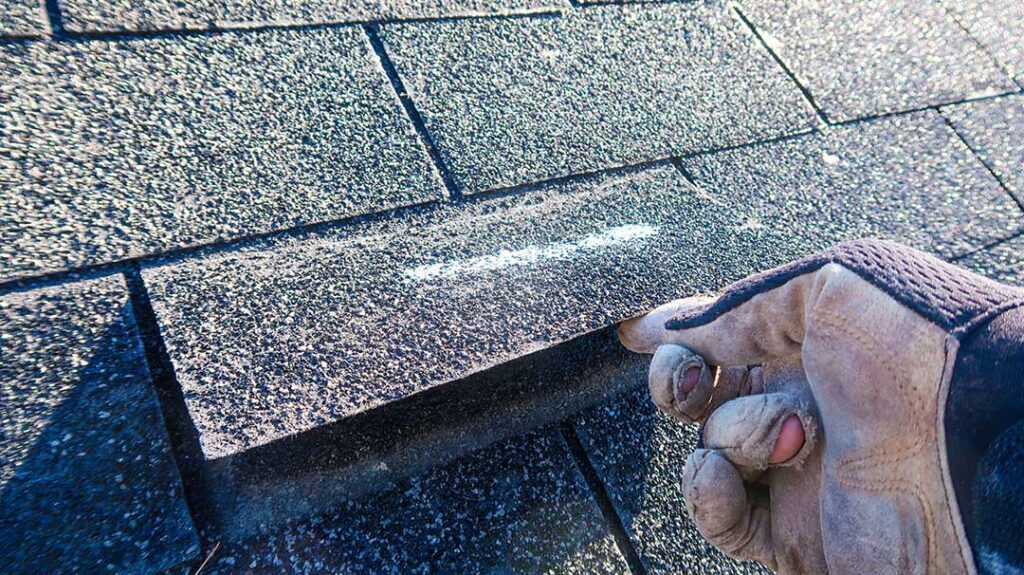
A roof usually needs replacement when age, widespread wear, repeated leaks, or hidden structural damage make repairs unreliable or uneconomical. A single damaged shingle does not automatically mean the entire roof must come off, but several warning signs together deserve careful attention.
How old is the roof?
Age is one of the most useful starting points. Many asphalt-shingle roofs last roughly 15 to 30 years, depending on material quality, ventilation, installation, roof slope, shade, moisture exposure, and maintenance. Some roofing systems last much longer, while others deteriorate sooner after repeated storm damage or poor attic ventilation.
If the installation date is unknown, look through home-purchase records, building permits, inspection reports, or receipts stored with other maintenance documents. A roof that is approaching the expected service range should be evaluated even if it appears acceptable from the ground.
Age alone does not prove that replacement is necessary. However, an older roof with leaks, brittle shingles, exposed underlayment, or widespread granule loss is usually closer to replacement than repair.
Which visible warning signs suggest replacement?
Several roof-surface conditions commonly indicate that a roof is losing its ability to shed water:
- Shingles that are curling, clawed, cracked, blistered, or breaking apart
- Missing shingles or areas where wind has lifted the edges
- Bald patches where the protective granules have worn away
- Numerous dark or uneven areas caused by moisture, algae, or deterioration
- Exposed nail heads, underlayment, or roof decking
- Damaged flashing around chimneys, vents, skylights, and wall intersections
- Sagging sections along the roofline or between supports
- A large number of temporary patches from past repairs
A few isolated defects may be repairable. Widespread deterioration means the roof covering is no longer performing as one continuous weather barrier. In that situation, repairing individual spots may only postpone a larger project.
Do leaks always mean the roof must be replaced?
No. A leak may come from a localized problem such as damaged flashing, a failed pipe boot, a small area of wind damage, or a blocked drainage path. Prompt repair can sometimes extend the life of an otherwise sound roof.
Replacement becomes more likely when leaks are recurring, appear in several areas, or continue after previous repairs. Water stains on ceilings or walls may also reflect moisture that has traveled along rafters, insulation, or wiring, so the visible stain is not always directly below the entry point.
Look for:
- New or spreading ceiling stains
- Damp insulation or musty attic odors
- Peeling paint near upper walls or ceilings
- Drips during rain or thawing snow
- Soft, dark, or deteriorated roof decking
- Mold-like growth caused by persistent moisture
A leak should not be ignored simply because it stops after the weather clears. Roofing materials can dry on the surface while moisture remains inside the roof assembly.
What does the attic reveal?
The attic often provides a clearer picture than the roof surface. From inside, inspect the underside of the roof only when conditions are safe and access is suitable.
Signs of trouble include wet insulation, water marks on rafters, rusted fasteners, daylight visible through the roof deck, and wood that feels soft or weakened. Persistent condensation can also cause damage that resembles a roof leak.
Ventilation matters because warm, moist air can collect beneath the roof during winter. Poor airflow may contribute to condensation, premature shingle aging, and ice buildup along roof edges. Improving ventilation may help a roof perform better, but it cannot restore shingles that are already brittle or decking that has deteriorated.
How do Addison winters affect roof condition?
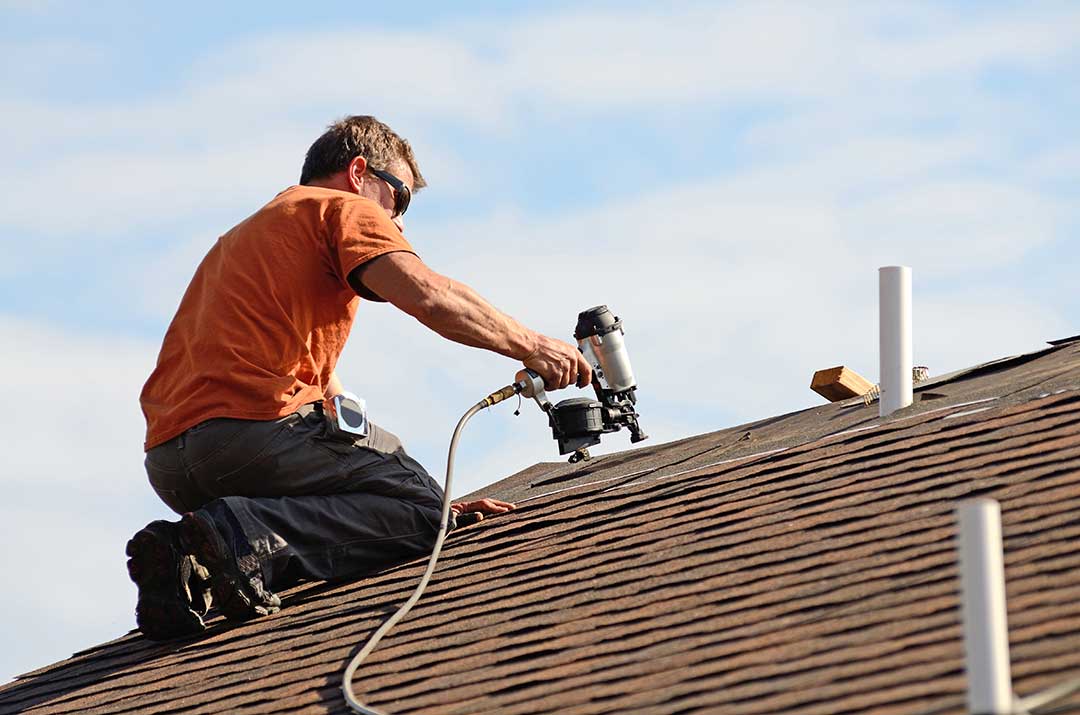
Seasonal weather in Addison can place repeated stress on roofing materials. Snow, freezing rain, wind, ice formation, and freeze-thaw cycles can enlarge small cracks and loosen aging materials. Spring thaw may reveal problems that were not obvious during winter, while summer heat and humidity can accelerate deterioration in older shingles.
After a major storm, check the ground around the house for loose granules or shingle pieces. From a safe location, look for irregular patches, lifted edges, and missing materials. Avoid climbing onto a wet, icy, or steep roof. Snow and ice can hide damage, and walking on brittle shingles may cause additional breakage.
Ice buildup along the eaves does not automatically mean the entire roof must be replaced. It may relate to heat loss, insulation, ventilation, or drainage. Repeated ice-related leakage, however, calls for a broader review of the roof and attic system.
Is repair or replacement the better choice?
Repair is more reasonable when the roof is relatively young, damage is limited to one area, the underlying decking is sound, and previous repairs have been successful.
Replacement deserves stronger consideration when:
- Damage is distributed across multiple roof slopes
- The roof is near or beyond its expected service life
- Leaks have returned after repairs
- Shingles are failing throughout the surface
- The decking or framing shows moisture damage
- Storm damage affects a substantial portion of the roof
- Repair costs are accumulating without restoring dependable performance
The condition beneath the shingles matters as much as the shingles themselves. A new roof covering cannot compensate for rotten decking, inadequate flashing, damaged rafters, or uncontrolled moisture in the attic.
Can a new roof be installed over the old one?
Sometimes, but not in every situation. New York’s residential code places conditions on roof recover work, including the condition of the existing roof and the ability of the underlying materials to support another layer. Water-soaked or deteriorated roofing cannot serve as a suitable base.
Adding another layer may also conceal damaged decking and make future repairs more difficult. A complete removal may be more appropriate when there are multiple existing layers, widespread leaks, sagging, or significant moisture damage. Local code requirements should be checked before work begins because roof replacement can involve permit, material, ventilation, or disposal considerations.
What should homeowners check before deciding?
A practical evaluation should include the roof’s age, surface condition, leak history, attic condition, flashing, ventilation, and past repair records. Photographs taken from the ground and attic can help track changes over time.
Replacement is usually not an emergency simply because a roof is old. It becomes urgent when water is entering the building, the roof structure is sagging, large areas are exposed, or severe storm damage has created an immediate risk. In those situations, protect interior belongings from active leaks, avoid unsafe roof access, and address the hazardous condition promptly.
The clearest decision comes from looking at the entire roofing system rather than focusing on one missing shingle or one ceiling stain. A roof that remains dry, structurally sound, and intact may have useful life left. A roof showing widespread wear, repeated leakage, and aging materials is generally signaling that replacement is more dependable than continued patching.
