
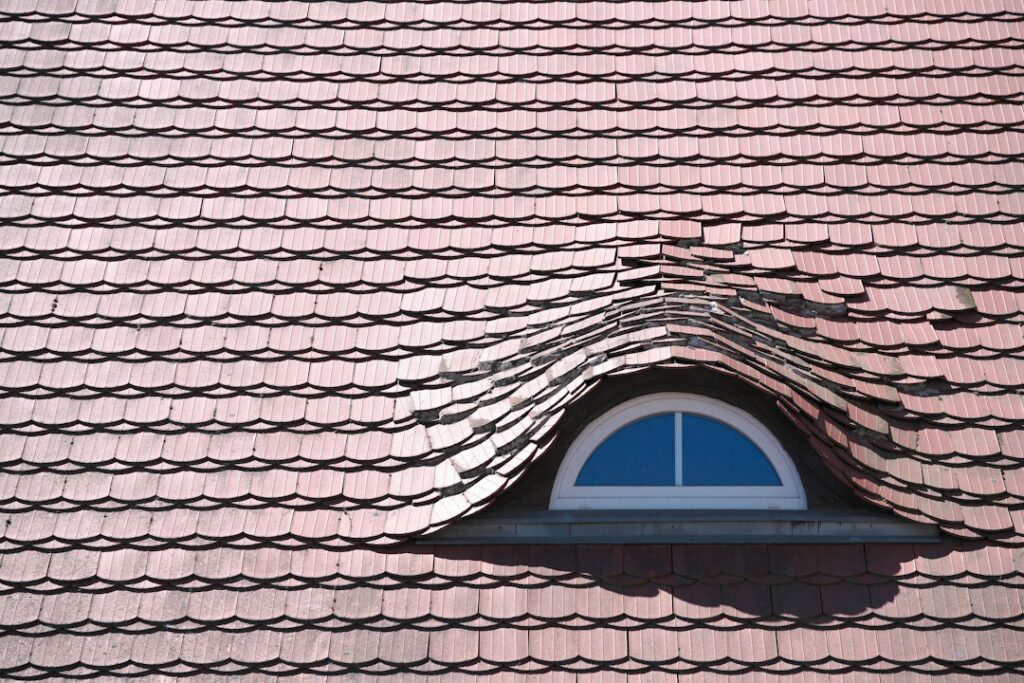
A professional roof inspection is a systematic review of the roof’s condition, drainage, ventilation, and related areas of the home. The inspector is not simply looking for missing shingles; the goal is to identify visible damage, aging, installation concerns, moisture risks, and maintenance issues that could affect the roof’s remaining service life.
What does a professional roof inspection include?
A roof inspection usually includes both an exterior review and an interior check of areas beneath the roof. The inspector evaluates the roof covering, edges, penetrations, drainage features, attic conditions, and signs of water entry.
The inspection may include:
- Shingles, metal panels, membrane materials, or other roof coverings
- Flashing around chimneys, vents, skylights, and wall intersections
- Valleys where two roof sections meet
- Drip edges, fascia, soffits, and roof overhangs
- Gutters, downspouts, and areas where water drains near the foundation
- Attic insulation, ventilation, roof framing, and visible moisture staining
- Ceilings and upper-floor walls for signs of interior leakage
A thorough inspection distinguishes between normal wear, repairable defects, and conditions that may require more extensive work.
Will the inspector walk on the roof?
Sometimes, but not always. Roof access depends on the roof’s slope, surface condition, height, weather, age, and overall safety.
A walkable roof may be examined at close range. Steep roofs, fragile surfaces, icy areas, wet materials, and roofs with structural concerns may be inspected from ladders, roof edges, the ground, or other safe positions. Binoculars, cameras, moisture meters, and other tools can help document areas that cannot be reached safely.
A roof inspection should not involve unnecessary risk. Refusing to walk on an unsafe roof does not mean the inspection is incomplete; it means the inspection method has been adjusted to the conditions.
What happens during the exterior inspection?
The exterior portion usually begins with a general assessment of the roof’s shape, age, materials, and visible condition. The inspector looks for patterns rather than focusing only on one damaged spot.
Typical observations include:
- Shingles that are cracked, curled, blistered, loose, or missing
- Granule loss collecting in gutters or at downspout outlets
- Exposed fasteners or roofing underlayment
- Sagging roof lines or uneven roof planes
- Rust, corrosion, dents, loose seams, or damaged coatings on metal roofing
- Openings around vents, pipes, chimneys, and skylights
- Damaged or improperly placed flashing
- Moss, algae, or organic growth holding moisture against the roof surface
- Debris buildup in valleys or behind rooftop features
- Gutters that are clogged, detached, poorly sloped, or overflowing
In Addison, seasonal weather can make these details especially relevant. Freeze-and-thaw cycles may widen small cracks, heavy snow can stress weak areas, and wind can loosen roofing materials or flashing. Summer heat and ultraviolet exposure can also accelerate aging on exposed roof surfaces.
Why are flashing and roof edges inspected closely?
Flashing and roof edges are common locations for leaks because they involve transitions between different materials or changes in roof direction.
Flashing helps direct water away from vulnerable joints. It may be found around chimneys, plumbing vents, skylights, walls, dormers, and roof valleys. Inspectors look for gaps, lifted sections, rust, sealant failure, missing pieces, and installation problems.
Roof edges also deserve attention. Damaged fascia, deteriorated soffits, loose drip edges, or poorly draining gutters can allow water to reach roof decking, wall cavities, and trim. These problems may not produce an obvious ceiling stain right away.
Is the attic part of a roof inspection?
Yes, when safe and accessible. The attic can reveal problems that are difficult to see from the roof surface.
An inspector may look for:
- Dark staining on rafters or roof decking
- Damp insulation or musty odors
- Daylight visible through unintended openings
- Condensation or frost marks
- Inadequate intake or exhaust ventilation
- Mold-like growth associated with persistent moisture
- Damaged or sagging roof sheathing
- Signs of pests or nesting activity
- Unsealed penetrations around pipes and electrical components

Not every attic stain proves that the roof is currently leaking. Some marks come from an older repair, condensation, or a one-time weather event. The location, age, moisture level, and surrounding conditions all matter.
Can an inspection find every leak?
No. A roof inspection can identify visible evidence and likely entry points, but it cannot guarantee that every leak will be found during a dry inspection.
Water may travel along rafters, insulation, roof decking, wiring, or wall cavities before appearing inside the home. A ceiling stain can therefore be located some distance from the actual opening in the roof. Some leaks occur only during specific wind directions, snow conditions, or heavy rainfall.
If active water entry is suspected, the timing of the inspection matters. Information about when the leak appears, which rooms are affected, and whether wind or melting snow is involved can help narrow the cause.
What should residents do before the inspection?
A few simple preparations can make the inspection more useful:
- Clear stored items away from the attic access point.
- Identify any rooms with stains, peeling paint, damp odors, or recent repairs.
- Note when leaks or drafts occur.
- Keep pets away from ladders and inspection areas.
- Make sure exterior access points are not blocked by vehicles, equipment, or stored materials.
- Gather available information about previous roof repairs or replacements.
There is no need to clean the roof before an inspection. Moss, debris, staining, and gutter buildup may provide useful clues about drainage and maintenance conditions.
What will the inspection report usually contain?
A written report commonly describes the roof’s observed condition, photographs of notable areas, and recommendations organized by urgency. The report may separate immediate concerns from routine maintenance and longer-term planning.
Useful reports often explain:
- What was inspected and what could not be accessed
- The approximate condition or age of the roof system
- Visible defects and their locations
- Evidence of active or past moisture
- Problems involving ventilation or drainage
- Safety concerns
- Maintenance items that should be monitored
- Whether further evaluation is needed
A report should not automatically treat every defect as proof that full roof replacement is necessary. A few aging shingles, loose flashing, or clogged gutters may be repair or maintenance issues. Conversely, widespread deterioration, structural sagging, repeated leaks, or failing roof layers may indicate a more serious problem.
How often should a roof be inspected?
A roof should be inspected after significant wind, hail, fallen branches, or unusual snow and ice conditions, and whenever water stains or unexplained drafts appear inside the home. Routine inspections are also useful as a roof ages or before buying or selling a property.
The appropriate frequency depends on the roof’s material, age, slope, surrounding trees, past repairs, and exposure to severe weather. Homes with older roofing, heavy shade, complex rooflines, or recurring ice buildup may need closer monitoring than homes with newer, simpler roof systems.
A professional inspection is most valuable when its findings are specific: what was observed, where it was found, how urgent it is, and what additional information would be needed before deciding on repairs.
